Best Mintonka Slippers for Cold Winter Mornings in the USA
The best Mintonka slippers for cold winter mornings are sheepskin-lined hardsole styles, because the fleece lining traps warmth, the hard sole insulates your feet from cold floors, and the sturdy build handles quick trips outside. Pile-lined hardsole moccasins are a close second for milder winters, while ankle boot slippers add extra coverage on the coldest days.
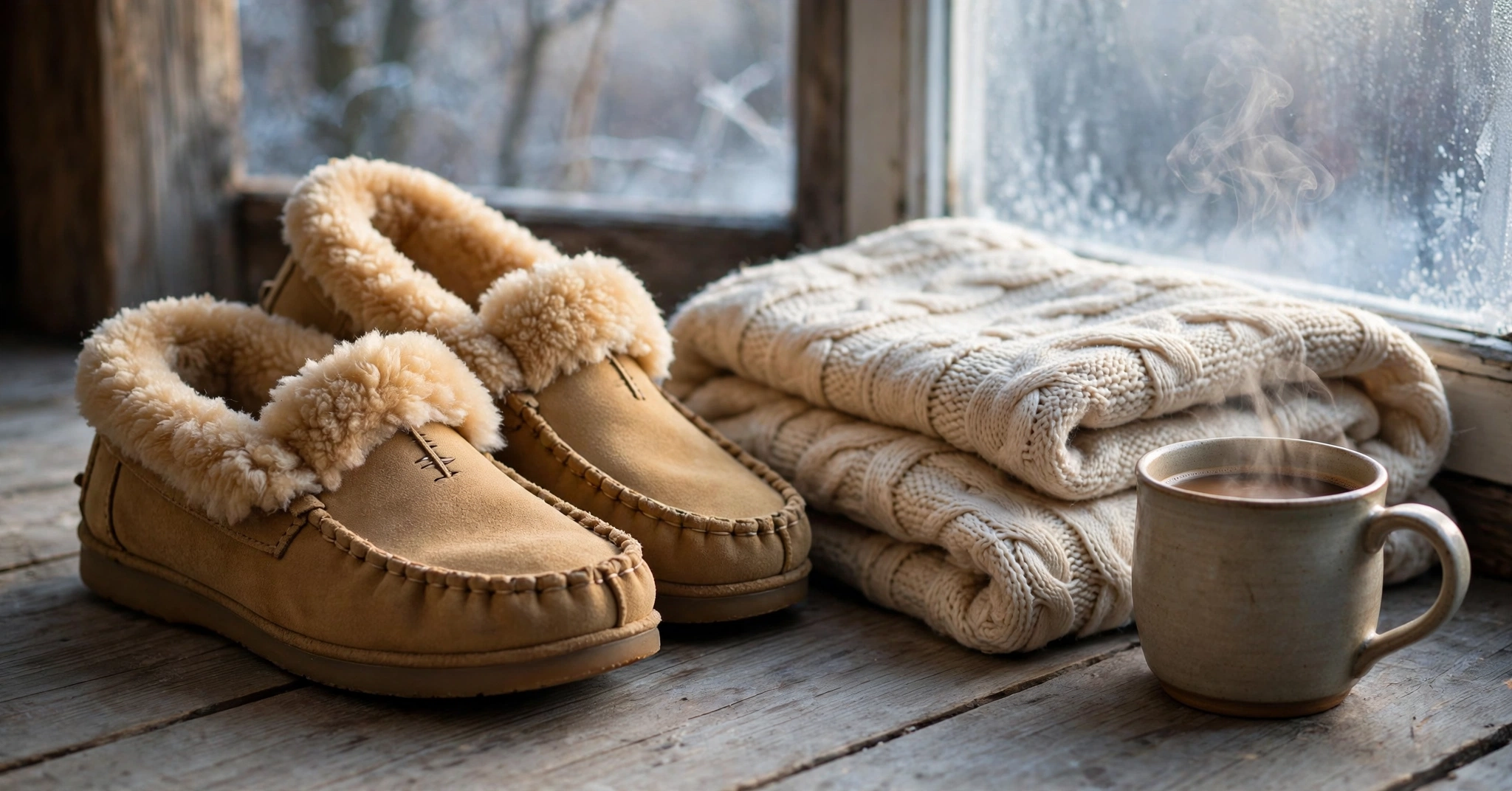
Cold floors at 6 a.m. are the real test of a slipper. A thin pair that felt fine in October can feel useless in January, when hardwood, tile, and stone floors stay cold all night. Your feet hit the floor, the warmth drains out of them, and the whole house feels colder than it is. The right winter slipper fixes that before your feet ever touch the ground.
Mintonka has made moccasin-style footwear since 1946, when the company was founded in Minneapolis, Minnesota, a city that knows real winter. That heritage shows in the range: suede uppers, pile and sheepskin linings, and hard soles built for indoor comfort with outdoor trips in mind. Start at the Mintonks homepage to explore premium Mintonka slippers.
What Makes a Slipper Warm on a Cold Morning?
Warmth comes from three things: insulation, lining, and the sole. Insulation traps still air around your foot, lining holds that warmth against your skin, and the sole blocks cold rising from the floor. A slipper that gets only one of these right feels warm for a few minutes and cold soon after.
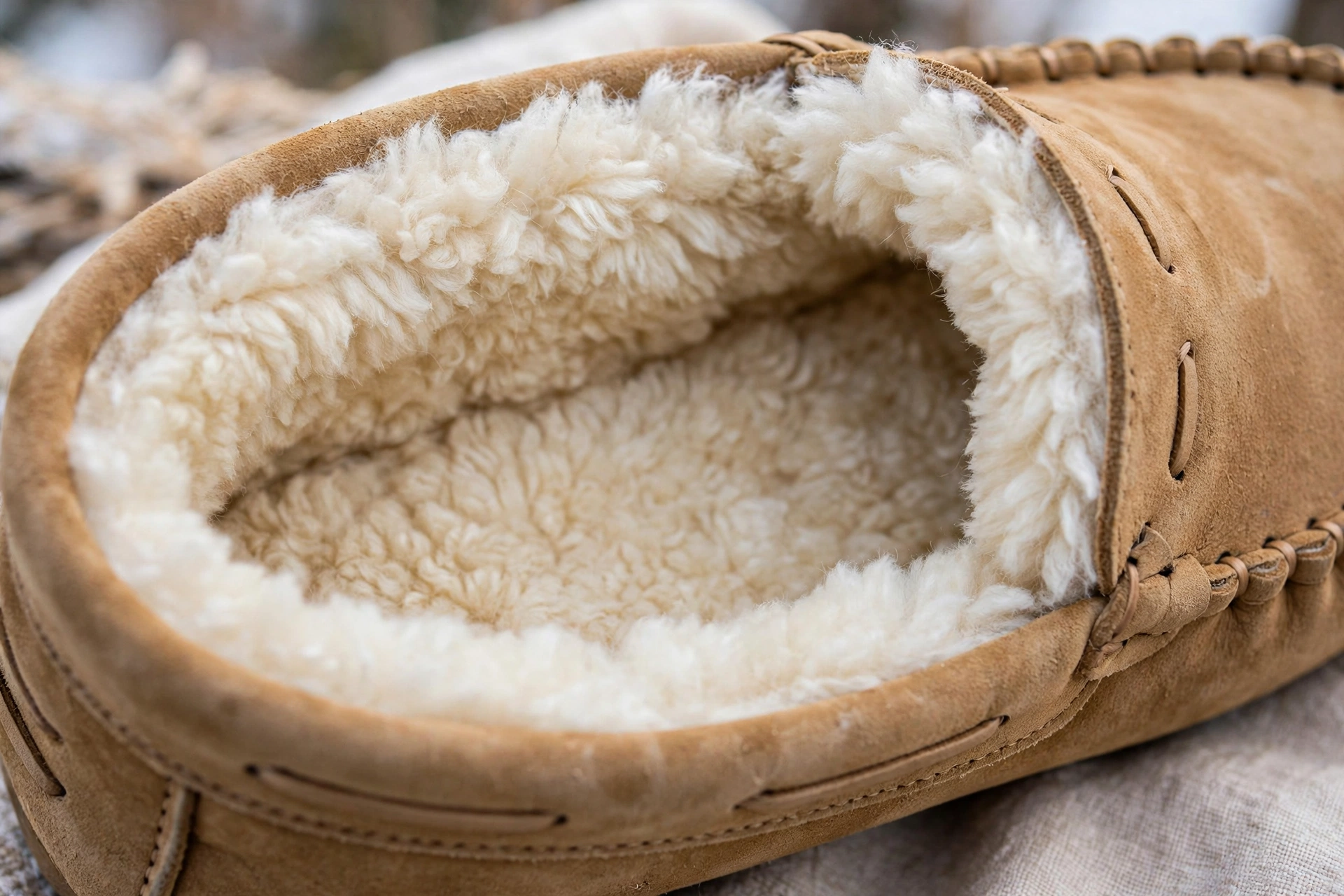
Sheepskin is the warmest lining in the range, and the reason is in the fiber itself. Sheepskin is the hide of a sheep tanned with the fleece intact, and its fleece has excellent insulating properties. It is a natural insulator that draws perspiration away from the wearer and into the fibers, where it traps between 30 and 36 percent of its own weight in moisture. That means sheepskin keeps feet warm without the clammy feeling that cheaper synthetic linings cause.
Pile lining is the next best option. It is a soft, dense, fleece-like material that feels warm the moment you slide your foot in. It does not insulate quite as well as real sheepskin, and it can flatten with heavy use, but it is lighter, easier to care for, and warm enough for most USA winters outside the coldest regions. Unlined suede slippers, by contrast, are autumn slippers, not winter ones. They are comfortable in a heated house, but they offer little protection against a cold floor at dawn.
Which Mintonka Slippers Are Warmest for Winter?
The warmest Mintonka slippers are the sheepskin-lined hardsole styles. The Women’s Sheepskin Hardsole Slipper pairs a full sheepskin lining with a structured rubber sole, so your feet stay warm and the cold floor never reaches them. It was listed at $92.95 on the official site at the time of writing, and it works for buyers who want one pair that handles the whole winter, indoors and out.
The Sheepskin Ankle Boot is the warmest option for very cold mornings. Its higher cut covers the ankle, where cold air sneaks in with a standard moccasin. Listed at $99.95, it suits buyers in the Upper Midwest, the Northeast, and mountain states, where winter mornings are coldest. If your house has tile or stone floors, the extra coverage is worth it.
Pile-lined hardsole moccasins are the best value for most buyers. The Pile Lined Hardsole was listed at $67.95, giving you a warm lining plus a hard sole at a lower price than sheepskin. The Kilty Hardsole, listed at $72.95, is another solid winter choice. The Cally, listed at $62.95, is lighter and less warm, suiting milder winters in the South and the Pacific coast. Prices change with sales, so check the product page before you buy.
Which Slippers Suit Different Winter Mornings?
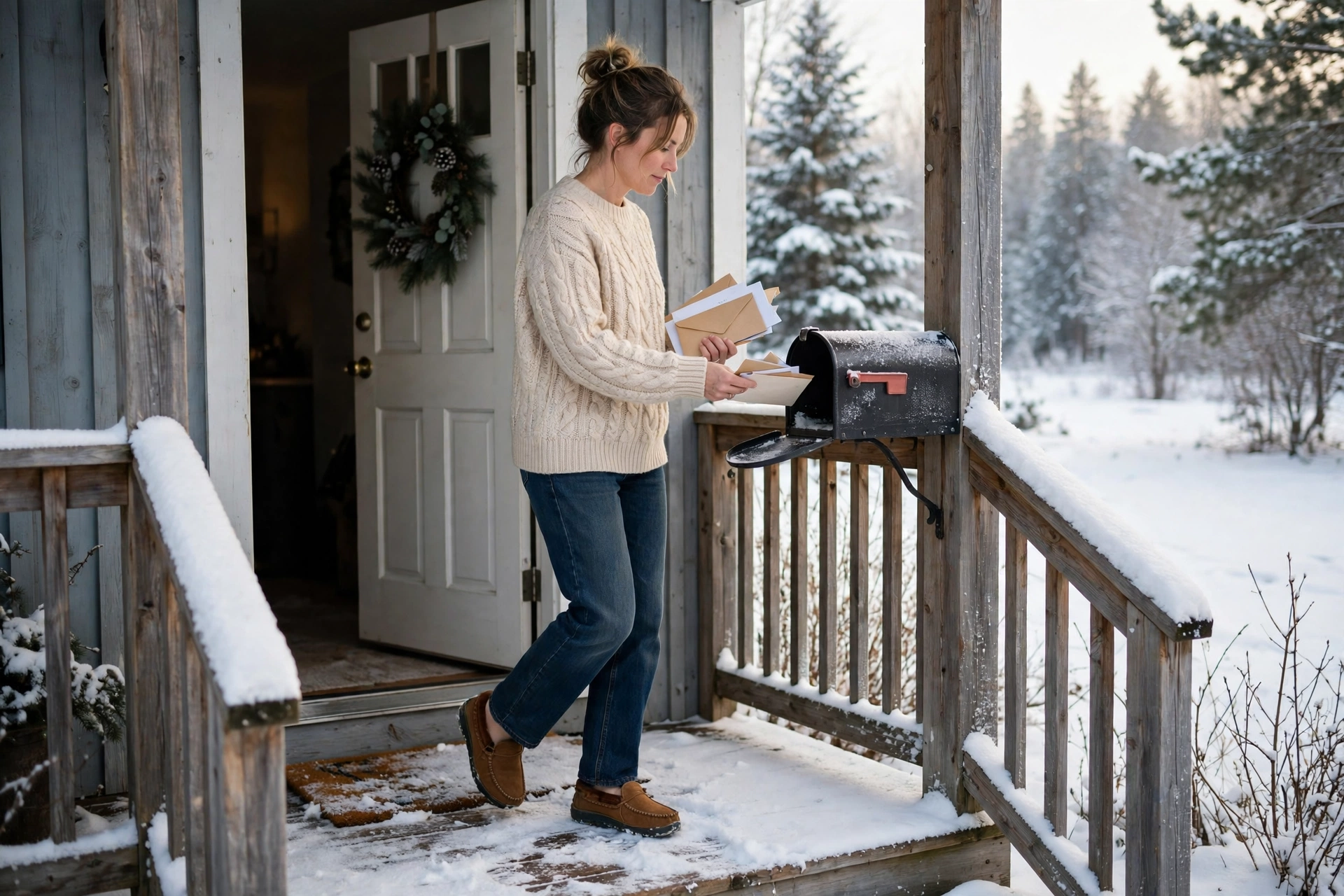
The right choice depends on your morning routine, not just your climate. If you get up early, let the dog out, and fetch the paper before the heat comes on, you need a hardsole sheepskin slipper. The hard sole handles frozen steps, the sheepskin keeps your feet warm outside, and the slipper dries faster than a softsole style when you come back in.
If your mornings are spent indoors, cooking breakfast and working from home, a pile-lined hardsole moccasin is usually enough. It is warm, supportive for long hours on your feet, and lighter than sheepskin, so your feet do not overheat once the house warms up. Many buyers keep a pile-lined pair by the bed and a sheepskin pair by the door, switching as the day warms.
For buyers with cold feet all day, the ankle boot slipper is the answer, because cold feet are often cold ankles too. For buyers who run hot, or whose house is well heated, a lighter pile-lined style avoids sweaty feet by mid-morning. Sweat is the enemy of warmth, because damp lining loses insulation fast, so the warmest slipper matches your house, not the thickest one in the shop.
Hardsole or Softsole: Which Is Better in Winter?
Hardsole wins for winter, and the reasons are practical. A hard rubber sole insulates your foot from the cold floor far better than a thin suede softsole, which lets the cold through almost immediately. Hard soles also give grip on icy steps and wet kitchen floors, where a softsole can slip. They last longer too, because the sole takes the wear instead of the suede upper.
Softsole slippers have their place, and it is not on a cold floor. They are lighter, quieter, and more flexible, and many people love the almost-barefoot feeling around a carpeted house. In a well-heated, fully carpeted home, a softsole sheepskin moccasin can be perfectly warm. On hardwood, tile, or stone, it will feel cold within minutes.
The simplest rule is this: if your floors are hard, choose hardsole. If your floors are carpeted and you never step outside in your slippers, softsole is fine. Most USA buyers with mixed flooring end up choosing hardsole, because one pair then works in every room and for every quick trip to the door. A hardsole slipper is also easier to clean in winter, when salt and slush follow you inside.
How Should Winter Slippers Fit?
Winter slippers should fit with the socks you will actually wear. Many buyers try slippers barefoot in a warm shop, then find them tight in January with thick socks on. Try them with your cold-morning socks, and make sure you can still wiggle your toes. A slipper that is tight with socks will feel cold, because compressed lining cannot trap air.
Buy your normal size first, and check the fit note on the product page, because some styles run small and others run true to size. Sheepskin lining compresses with wear, so a sheepskin slipper that feels snug on day one often fits perfectly after a week. A slipper that pinches sharply will not improve, so exchange it rather than hoping it stretches.
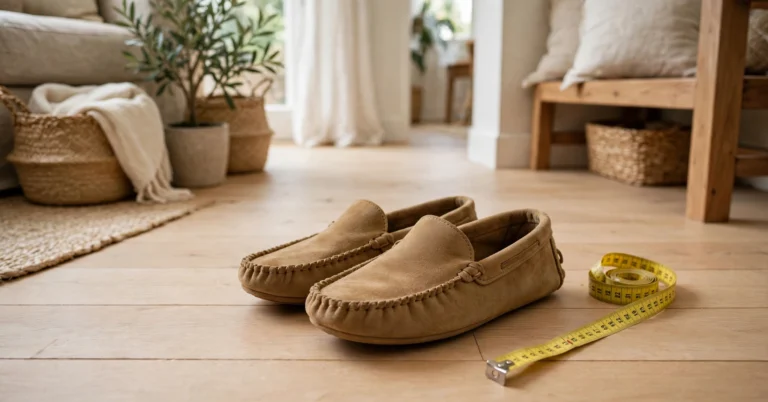
Measure both feet in the evening, when they are largest, and fit the larger foot. Walk on a hard floor, not just carpet, when you try them on, because that is where you will feel the cold and the fit most clearly. If the ball of your foot spills over the edge of the sole, the width is wrong. If your heel lifts with every step, the length is wrong.
How Do You Care for Slippers in Winter?
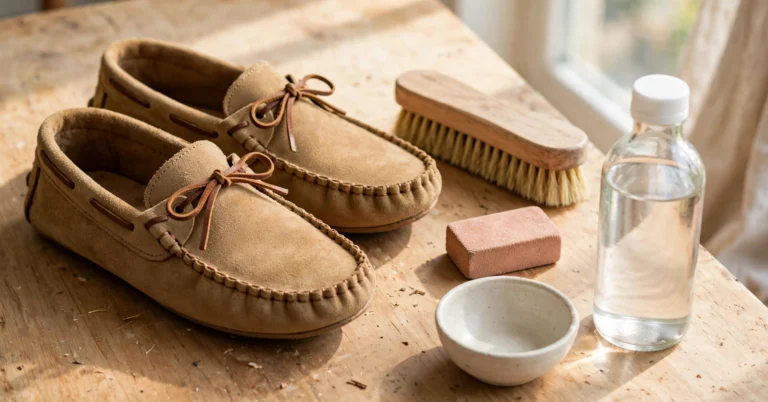
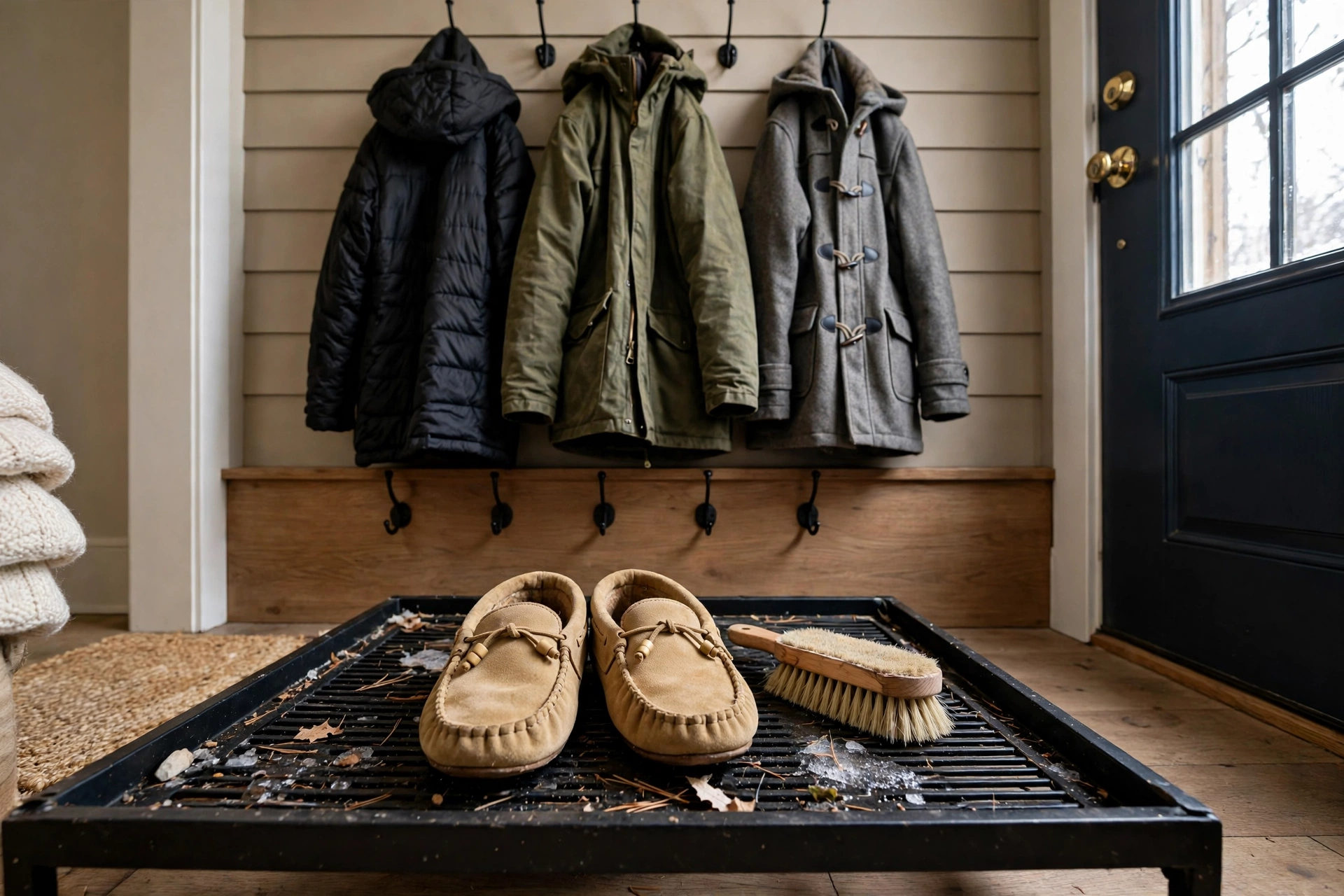
Winter is the hardest season for suede slippers, because salt, slush, and wet floors attack them daily. Brush off dry salt and dirt as soon as you come inside, before it grinds into the nap. Blot wet spots with a clean white cloth, stuff the slippers with newspaper, and let them air dry at room temperature, never on a radiator or near a fire. Direct heat stiffens suede and can shrink the fit.
Spray the slippers with a suede protector before winter starts, and reapply every few weeks while salt is on the sidewalks. Protector spray does not make suede waterproof, but it slows how fast water and salt soak in, giving you time to blot them off. Keep a second pair in rotation if you wear slippers daily, so each pair gets a full day to dry out between wears. Damp lining loses warmth and grows odor fast.
Store winter slippers where air can reach them, not sealed in a plastic bag. At the end of winter, brush them thoroughly, treat salt marks with a cloth barely dampened with equal parts water and white vinegar, let them dry fully, and store them stuffed with newspaper in a cool, dry place.
Frequently Asked Questions
What are the warmest Mintonka slippers for winter?
Sheepskin-lined hardsole slippers are the warmest, because the fleece lining insulates and the hard sole blocks cold from the floor. The sheepskin ankle boot is warmer still, because its higher cut also covers the ankle. Pile-lined hardsole moccasins are a close second and cost less.
Are Mintonka slippers warm enough for snow?
They are warm enough for quick trips outside in snow, such as fetching the mail, if you choose a hardsole style. They are house slippers, not snow boots, so they are not made for long walks in deep snow. Dry them fully after any trip outside.
Should I wear socks with Mintonka winter slippers?
Yes, wear the socks you will use on cold mornings when you try slippers on, and keep wearing them in winter. Socks add warmth, absorb sweat, and keep the lining fresh. Thick socks also change the fit, so a slipper tried on barefoot may feel tight with socks.
Do sheepskin Mintonka slippers make feet sweat?
Sheepskin usually prevents sweat, because the fleece draws perspiration away from the foot and into the fibers. Feet sweat most in slippers that are too warm for the house, so choose pile lining if your home is well heated.
How do I remove salt stains from Mintonka slippers?
Brush off the dry salt first, then blot the mark with a cloth barely dampened with equal parts water and white vinegar. Let the slippers air dry fully away from heat, then brush the nap to restore the texture. Protect the slippers with a suede spray to reduce future salt damage.